

Data preparation
OrthoFinder Input Quality: Building a Defensible Proteome Dataset
Build a traceable proteome dataset with representative selection, sequence audits, and careful treatment of missing genes.
Read articleTwelve in-depth articles on comparative genomics, from your first proteome audit to a reproducible evolutionary analysis.
Build a traceable proteome dataset with representative selection, sequence audits, and careful treatment of missing genes.
Read article
Validate executable paths, dependencies, and a complete smoke test before committing to a large analysis.
Read article
Distinguish ancestral groups, pairwise orthology, and paralogy before comparing genes or assigning functions.
Read article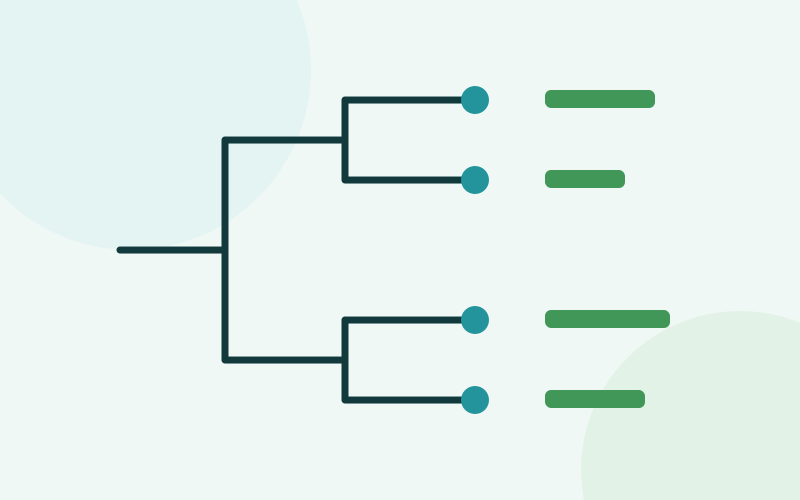
Evaluate alignment coverage, branch support, and alternative histories for the families that matter most.
Read article
Test directional evidence, outgroup choices, and the consequences of alternative species tree roots.
Read article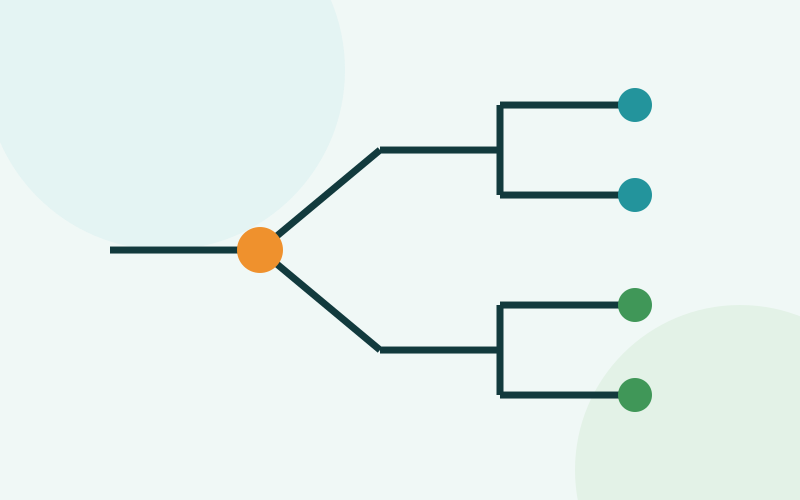
Connect copy counts to credible duplication histories while checking annotation and genomic context.
Read article
Read assignment percentages, occupancy filters, and relationship matrices with their correct biological units.
Read article
Choose taxa that address the research question and test the effects of uneven evolutionary representation.
Read article
Use representative pilots to plan search sensitivity, processor allocation, memory, and storage.
Read article
Grade functional claims using evolutionary context, independent evidence, and explicit experimental predictions.
Read article
Locate the first failure, preserve diagnostic evidence, and validate a controlled recovery strategy.
Read article
Preserve inputs, versions, transformations, and family evidence so evolutionary claims can be reconstructed.
Read article